ServicesWater Extraction
Water Extraction in Bensley
When water is sitting on your floors, the first job is getting it out before it soaks into drywall, subfloor and furniture. We bring pumps and extractors to your home, remove the water, and photograph each room so you see exactly what happened.
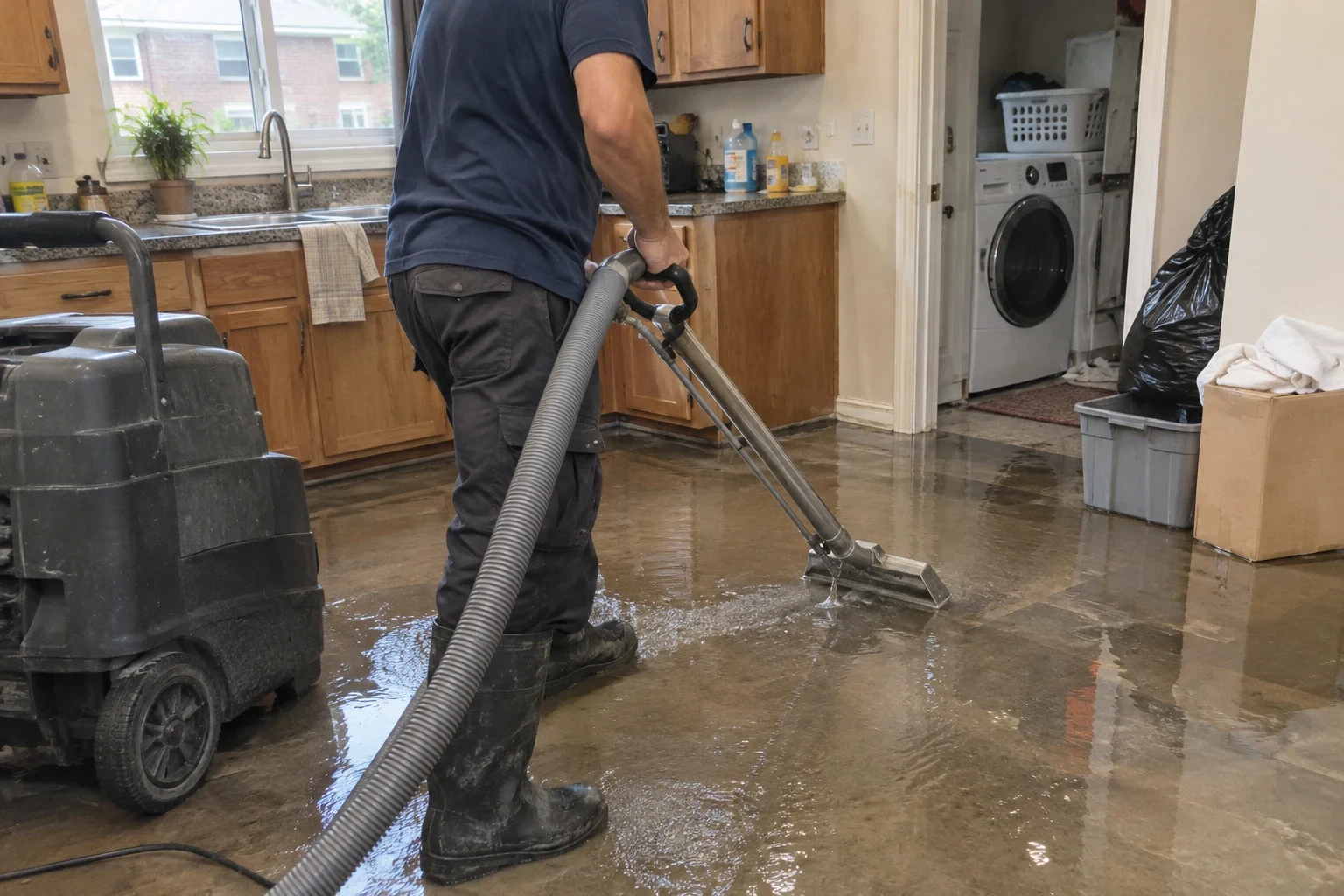
Getting the water out comes first
Water extraction is the first step after a burst pipe, an overflowing appliance or a flooded basement. It means physically removing the standing water and the water trapped in carpet, pad and flooring before it spreads. Every hour water sits, it wicks higher into drywall and deeper into wood.
We use submersible pumps for deep water, then truck-mounted and portable extractors for what is left. Pulling water out this way removes far more than fans could ever evaporate, so the drying that follows goes faster and costs less.
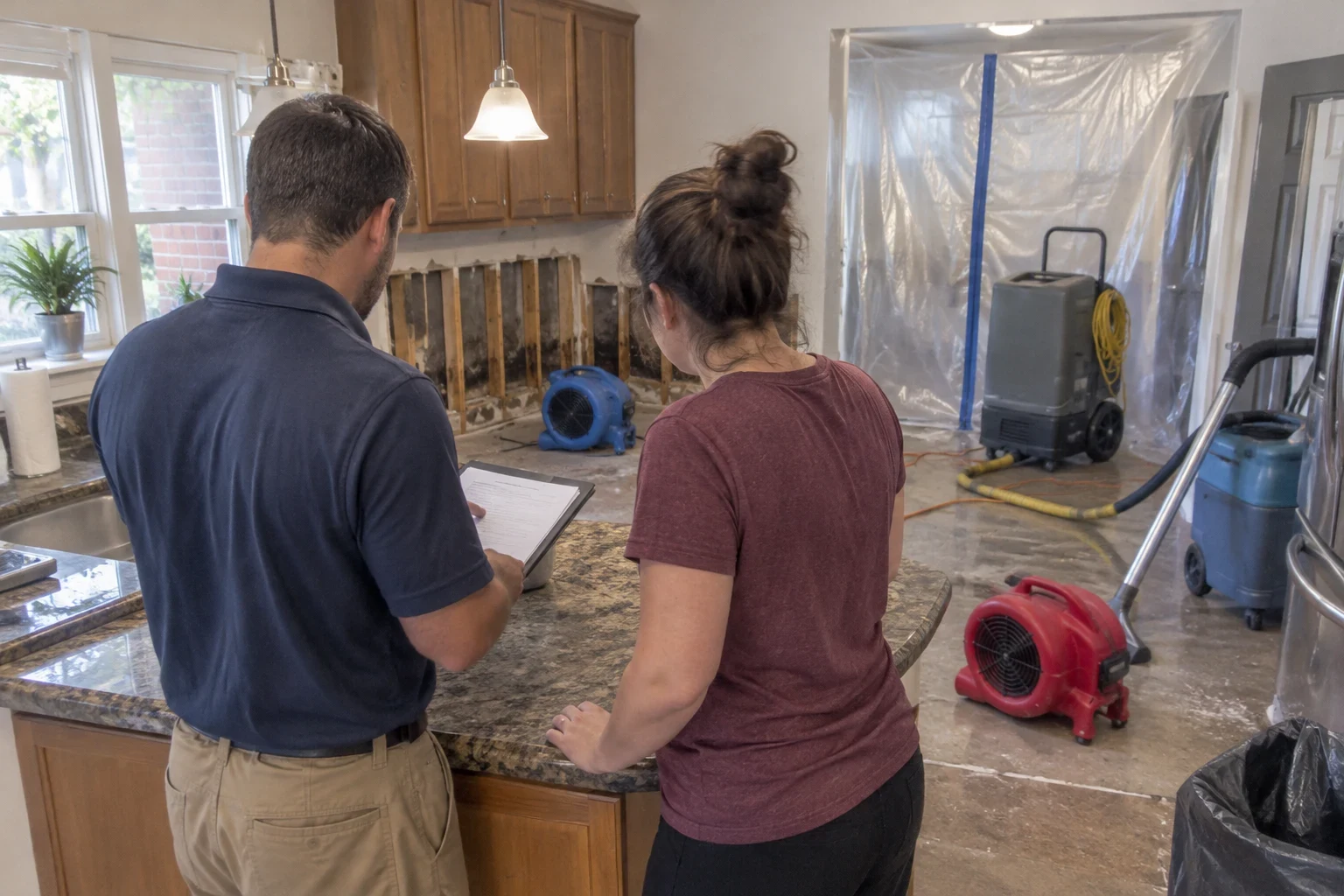
Before a hose goes down, we photograph each affected room and take moisture readings. You keep those images, and you can share them with your insurance adjuster if you file a claim.
What our water extraction includes
- Standing water removal
- Submersible pumps handle deeper water in basements and low rooms. Wet vacuums pick up the last thin layer that pumps leave behind.
- Carpet and pad extraction
- Weighted extraction tools press water out of carpet and the pad underneath. Pad soaks up water like a sponge and often has to be replaced. If the water was clean, carpet can frequently be dried in place, and we tell you plainly which way your floor is headed.
- Finding hidden moisture
- Moisture meters and a thermal camera show us water under laminate, behind baseboards and inside the bottom of walls. Wet spots you cannot see are marked and recorded.
- Moving and protecting your things
- We lift furniture onto blocks, move belongings out of the wet area and keep them off damp floors.
- A photo record you keep
- Before, during and after pictures, along with the moisture readings, give you a clear account of the damage and the work.
- Getting drying started
- With the floors cleared of water, air movers and dehumidifiers go in wherever the readings call for them. Our drying and dehumidifying service picks up from that point and continues until the numbers are back to normal.
Signs you need water extraction
Water pooled on the floor
Any standing water inside, even a thin sheet across a kitchen or laundry room, needs to come out now rather than wait for it to dry on its own.
Carpet that squishes underfoot
If you press down and feel water, the pad is saturated. Fans alone will not reach it.
Wet edges and cupped boards
Water seeping from under baseboards, or laminate and hardwood starting to cup, means water has traveled under the flooring.
A wet basement after a storm
Heavy summer thunderstorms in central Virginia can overwhelm sump pumps and window wells. Water on a basement floor wicks into walls and stored boxes quickly.
Water coming through a ceiling
A failed washer hose, water heater or toilet supply line upstairs can soak the floor below. Both levels need extraction and checking.
What affects the cost of water extraction
Your price comes down to how much water there is, where it traveled and what it soaked into. Once we have inspected and photographed the damage, we walk you through each part of the work so the bill holds no surprises. If you are filing a claim, it helps to know we work with most major insurance companies. We are happy to describe how a typical claim moves along, but your insurer decides what is covered.
Amount of water and area affected
A few inches spread across an entire basement takes more hours and more equipment than a wet bathroom floor.
Where the water came from
A leaking supply line brings clean water and needs the least extra handling. Gray water from a washer or dishwasher, or anything contaminated, means added precautions and protective gear.
What got wet
Carpet and pad, hardwood, laminate and finished basement walls each call for different tools and time. Pad that is fully saturated usually has to be pulled out.
Access and contents
Crowded rooms, tight crawl spaces or a lot of belongings to move add labor to the job.
How a water extraction visit runs
- 1
You call and we head out
Tell us where the water is and what caused it, if you know. Our offer is on site in 60 mins or less. While the truck is on its way, we can talk you through finding and closing your main shutoff valve.
- 2
Make it safe and stop the source
We confirm the water is off and check for electrical hazards near wet areas. If the water came from a sewer backup, we switch to our sewage cleanup process because it needs different handling.
- 3
Document and measure
Each room gets pictures and moisture readings before work starts, so the starting point is on record.
- 4
Extract the water
Pumps, extractors and wet vacuums remove the water room by room. We move furniture and contents out of the way as we go.
- 5
Walk through what we found
We go over the pictures with you, explain what can be saved and what likely cannot, and set up drying equipment. You know the next steps before we leave.
Water extraction questions
How quickly can you get to my home?
Our offer is on site in 60 mins or less. Getting water out early limits how far it spreads into walls and subfloor, which often keeps the overall repair smaller.
Can I just use a shop vac and some fans?
For a small spill on a hard floor, maybe. Once water reaches carpet pad, slips under flooring or touches drywall, a shop vac leaves most of it behind. Our meters show where the hidden water sits, which a shop vac cannot.
Will my insurance pay for water extraction?
Many policies cover sudden damage such as a burst pipe, though it depends on your policy and the cause. The photos and moisture readings we take become your record to hand to the adjuster, and we work with most major insurance companies. The coverage decision still rests with your insurer.
Can my carpet be saved?
Often yes, if the water was clean and we reach it quickly. The pad underneath usually has to go because it holds water. If the water was contaminated, the carpet should come out, and we will show you why before anything is removed.
Is extraction the same as drying?
No. Extraction removes the liquid water. Drying and dehumidifying then pulls the leftover moisture out of wood, drywall and air over the following days. Skipping that second step is a common way mold gets started.
Can my family stay in the house during extraction?
On most clean-water jobs, yes. We work around your routine and keep a clear path through the house. With sewage or heavily contaminated water, we will point out which rooms to stay out of until they are cleaned.
Get the water out before it spreads
Tell us what happened and we will head your way with pumps and extractors. You will see photos of what we find and what we do in every room.